Advantages And Uses of Industrial Diaphragm Gas Compressors
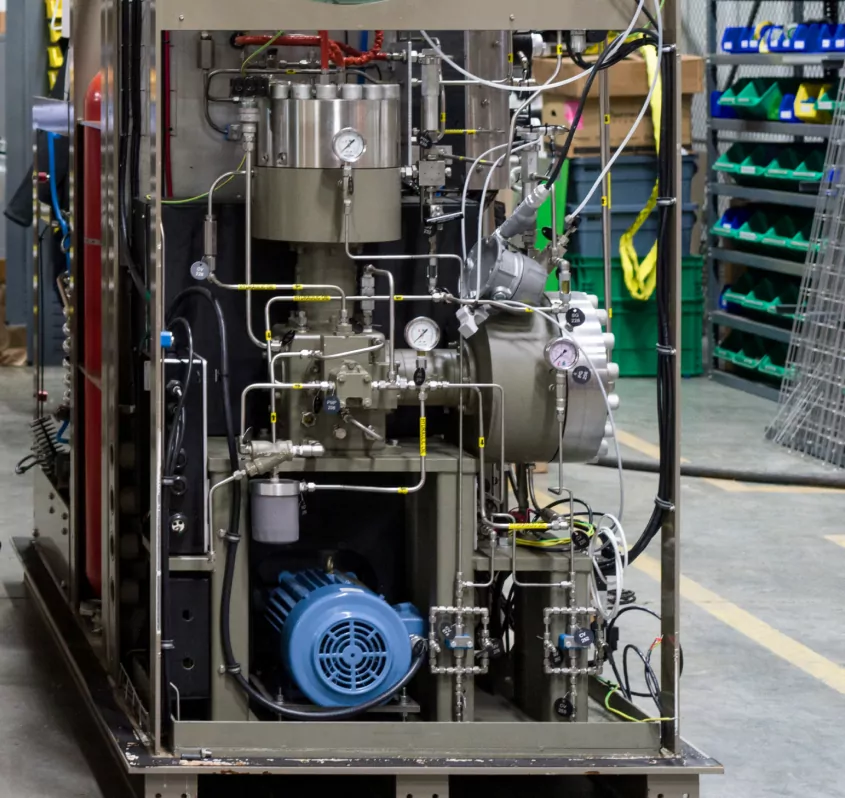
One common kind of reciprocating compressor is the diaphragm compressor, often called a membrane compressor. In general, there are two hydraulic systems: one that controls the compression process using motive power and the other that compresses the air or gas. Apart from its kind, these compressors form an important element for various industrial usages.
This blog will discuss the various important features of industrial diaphragm gas compressors, along with their advantages and uses.
Rotary Diaphragm- The Most Important Part of These Compressors
The rotating diaphragm, which is operated by a crankshaft as well as a mechanism of connecting rods powered by fluid, is the key component of these industrial diaphragm gas compressors. This diaphragm aids in applying the necessary pressure and delivering the air or gas within the compression chamber.
Due to this, the membrane or the diaphragm needs to be sturdy to support the strain of the pumped gas. Furthermore, the membranes of this diaphragm gas compressor should be heat-resistant as well as chemical-resistant, since the high-pressure gas compressor must be capable of compressing explosive and hazardous gasses. This acts as one of the most important advantages of these compressors.
The Working Principle of These Gas Compressors
The hydraulic system, as well as the pneumatic force system, are the two sections that make up this pdc diaphragm compressor.
The various features of the pneumatic force system:
- Three metal diaphragm plates divide the pneumatic force system's air compression mechanism into two plate chambers.
- The circular flexible plate within the diaphragm gas compressor experiences an elastic deviation during the air compression process, which reduces the volume of the space needed to make the compression.
- The diaphragm gas compressor's membrane is made of various materials to accommodate various sorts of gasses, such as dangerous or uncommon gasses.
The various features of the hydraulic system:
- The hydraulic crankshaft motor monitoring system, which operates the piston under low pressure, is a crucial component of the hydraulic system.
- The displacement of the piston controls the hydraulic fluid in the reverse direction, which lowers the side portion of the diaphragm.
The suction stroke and even the delivery stroke are typically the two processes in the process of compression: First, the diaphragm gas compressor will start taking in air, which implies that the compensating pump would then deliver a small amount of oil through the control valve inside the oil head. Next, the diaphragm gas compressor will condense the air, which entails that the quantity of oil would then increase to raise the membrane forward toward the gas and decrease the room for the air.
Advantages Of Industrial Diaphragm Gas Compressors
Apart from the above-mentioned uses and benefits, there are three significant advantages of these compressors:
- It is renowned for having the capacity to withstand high air pressure. Approximately 1.5 bar of air pressure can be processed by it.
- It uses little energy. These industrial gas compressors allow you to save 30% more energy than conventional gas compressors.
- These compressors are appropriate for both domestic and commercial applications due to the wide range of designs and sizes available.
As a result, these industrial diaphragm gas compressors are genuine oilless diaphragm compressors that are also effective in terms of energy.